
People with arthritis will be invited to share their experiences of living with the condition as part of a major new series of studies aimed at improving their treatment and care.
The University of Leeds and NIHR Biomedical Research Centre: Leeds have received funding from Arthritis UK for the three new projects, which will put the lived experience of arthritis patients at the heart of research, with the aim of delivering more effective, targeted and equitable treatment, and providing better support for people to live well with their conditions.

Dr Sarah Kingsbury, Associate Professor in the University of Leeds’ School of Medicine and NIHR BRC: Leeds, who is involved in all three projects, said: “For too long, research into arthritis has been designed without the people it’s meant to help. These three projects change that. Whether it’s ensuring people with arthritis can stay in work, bringing underrepresented communities into the research process, or understanding why osteoarthritis affects people so differently, patients and their experiences are driving every stage of this work.’’
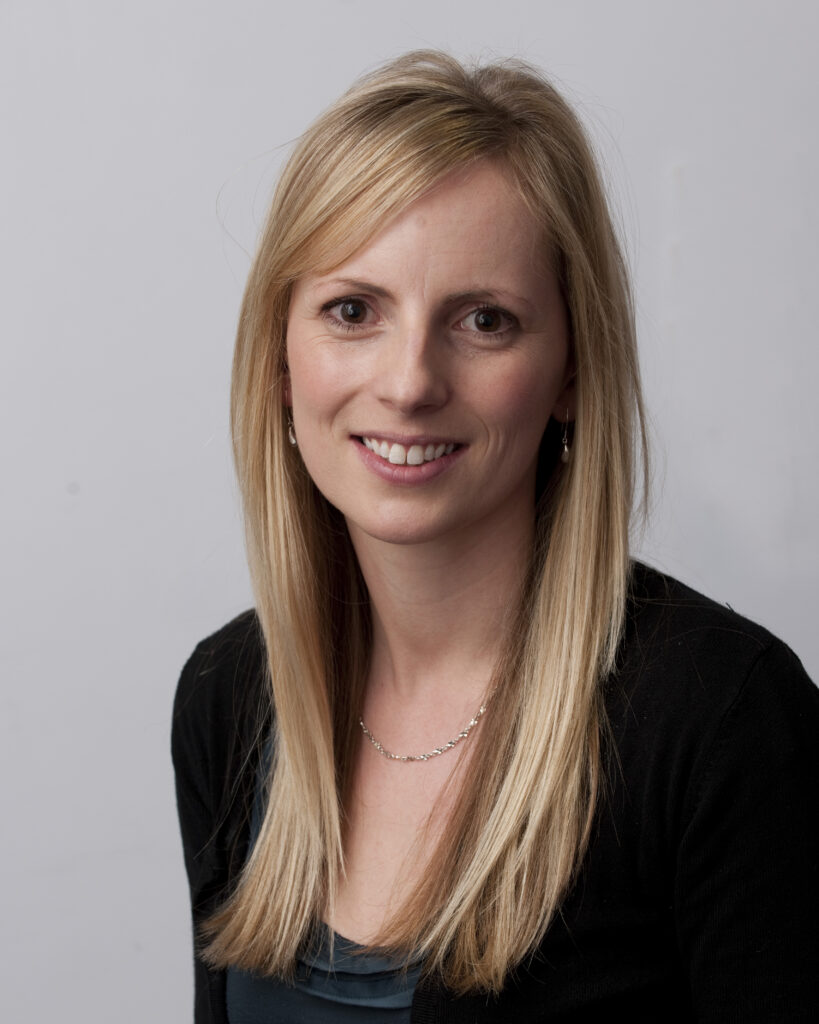
The ENABLE study, funded by Nuffield Foundation’s Oliver Bird Fund and Arthritis UK, aims to understand and reduce health‑related economic inactivity among working‑age people with both musculoskeletal conditions such as arthritis, and mental health issues like depression. Using long‑term data from around 100,000 people, interviews, and engagement with employers, the project will identify people with both conditions who are most at risk of leaving work and seek to find out why. Insights from data analysis, lived experience, and workplace perspectives will be brought together in workshops with patients, clinicians, employers, unions, and policymakers to develop practical guidance and interventions that help people with these conditions stay in or return to work if they choose.
LIFT (Listening, Involving and Forging Trust in Musculoskeletal Research) is a five-year initiative to establish a UK-wide Patient Voice Network, strengthening and expanding patient and public involvement in musculoskeletal research via one of four UK hubs in Leeds, Keele, Aberdeen and Manchester. The University together with researchers at NIHR BRC: Leeds will run the Leeds hub, ensuring that people with lived experience help shape research from the earliest stages. Funding has also been provided by Orthopaedic Research UK and the Kennedy Trust for Rheumatology Research.
The initiative strengthens NIHR BRC: Leeds’ existing Patient and Public Involvement programme and will play a vital role in ensuring that underrepresented communities, including children, young people and underserved groups, are better supported to engage with research.
And alongside these two projects, the University of Leeds has been chosen to co-lead the £3m SOLVE consortium (Stratification of Osteoarthritis to Promote Living Well and Treatment Effectiveness) in partnership with Keele University. Around 10 million people in the UK live with Osteoarthritis (OA), yet treatment often follows a ‘one size fits all’ model that fails to account for individual differences. SOLVE aims to discover why the condition affects people differently – one of the biggest challenges in OA care – so that treatments can be better matched to individuals to improve their quality of life.
Led by Philip Conaghan, Professor of Musculoskeletal Medicine in Leeds’ School of Medicine, Honorary Consultant Rheumatologist at Leeds Teaching Hospitals NHS Trust and Director of NIHR BRC: Leeds, the SOLVE consortium will bring together researchers from across the UK to investigate how biological, social and lifestyle factors influence the condition.
SOLVE will focus on four key areas to unravel the variability seen in individuals with OA:
- Using advanced technologies to study tissue samples and joint imaging
- Investigating how life events such as menopause and joint injury influence risk of osteoarthritis
- Identifying factors that affect the risk of disease progression to support clinical decision-making by NHS healthcare professionals
- Exploring how social factors, including income and environment, impact on treatment access and acceptability
Professor Conaghan said: “SOLVE is a hugely exciting programme that will bring together expertise, data and lived experience to create the evidence needed to improve care for people with osteoarthritis and we’re proud to have secured this initiative. Taken together, ENABLE, LIFT and SOLVE represent a step change in how we approach arthritis research, ensuring that patients’ lived experiences drive everything from the questions we ask, to the treatments we develop, to the support we offer people in their working lives.”
Professor Lucy Donaldson, Director of Research at Arthritis UK, said: “As the UK’s leading arthritis charity, we are proud to fund research that is dedicated to amplifying the voices of people living with arthritis and finding treatment options based on their very real needs.”
“The LIFT programme is a major step forward in that direction. Their commitment to removing long-standing barriers to involvement, through improved communication between researchers and people with MSK conditions, will set a new standard for how musculoskeletal research should be conducted.”
“We believe that the 10 million children, young people and adults living with all forms of arthritis deserve to be heard, treated and supported, and are delighted to be a partner on this project which reflects these values.
“SOLVE will not only improve outcomes for those who face daily challenges from managing a complex and often-debilitating condition, but also improve knowledge amongst healthcare professionals, and inform on wider government MSK policy, truly driving positive change.”