
Research by a team at the NIHR Biomedical Research Centre: Leeds has shown how proactive care for pacemaker patients could transform outcomes for hundreds of thousands of people across the UK.
Our goal
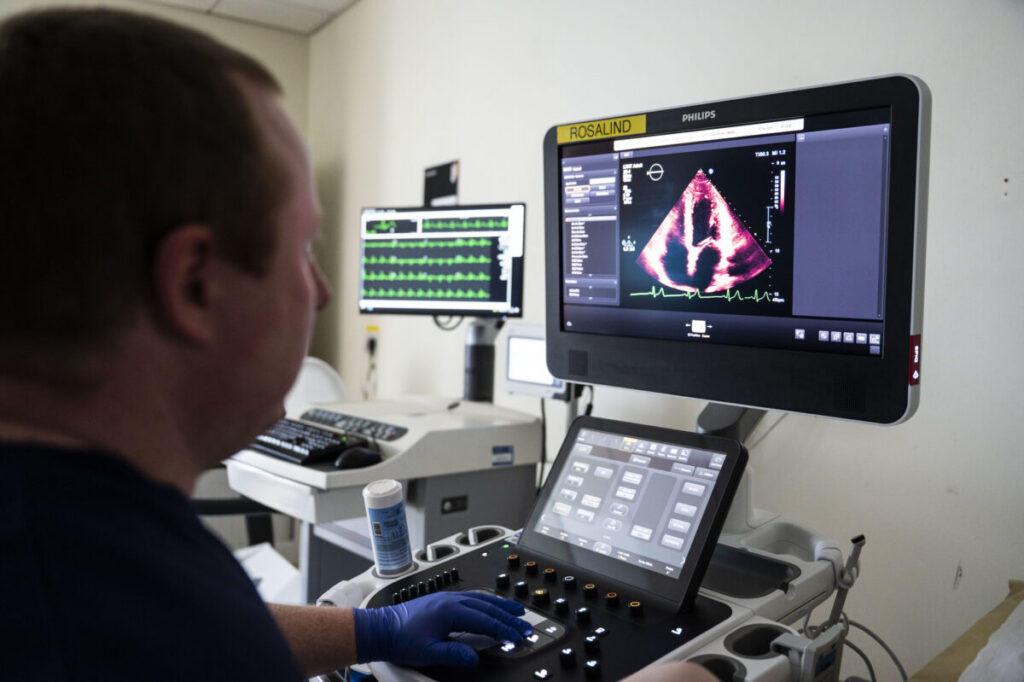
Pacemakers keep hearts beating regularly, but they can unintentionally weaken heart function over time. In the UK, more than 500,000 people have a pacemaker with another 50,000 receiving devices every year. Heart failure happens more often in people with pacemakers, reducing their quality of life and increasing NHS use. Care is also fragmented, with pacemaker checks and heart failure management usually delivered separately, meaning opportunities to optimise treatment are missed. Our goal was to show that personalising pacemaker settings to individual patients improves heart function, leading to better outcomes, and that patients benefit most when pacemaker optimisation is combined with specialist heart failure care.
Our approach
NIHR Biomedical Research Centre: Leeds undertook the research at Leeds Teaching Hospitals, with the NIHR Clinical Research Facility: Leeds providing the support to allow it to run within routine NHS care.
The research was underpinned by NIHR funding at every stage. An NIHR Clinician Scientist Award provided the protected research time needed to develop the programme. NIHR Biomedical Research Centre: Leeds funding allowed the work to expand beyond a single site, building a collaborative network of hospitals across Yorkshire – including centres with little previous research experience – and funding new imaging equipment, health economic analysis, and cardiac physiology research capacity. This support was key to attracting more than £750,000 of industry investment from Medtronic and Abbott.
Real-world impact
Led by cardiac scientist Dr Maria Paton, the research team’s findings – published in Nature Medicine – have informed national standards, supporting a shift away from “one-size-fits-all” pacing towards personalised treatment.
As a result, Leeds Teaching Hospitals NHS Trust established a dedicated heart failure and device clinic, where patients receive integrated care in a single visit. In this clinic, 90 per cent of patients had their medication optimised and 88 per cent had their device settings improved, leading to measurable improvements in markers linked to survival.
Two national, industry-supported training courses have since been developed to help health professionals recognise the signs of heart failure during routine pacemaker checks, and eight NHS teams have now been trained to set up their own clinics based on this model.
The team is now applying to test this combined approach in a larger, NIHR-funded study to establish whether it delivers measurable benefit for the NHS more widely. If adopted nationally, this proactive model could improve patient outcomes and make more efficient use of NHS resources by preventing deterioration before it happens, rather than reacting to it afterwards.
The team is also exploring new diagnostic tools that could allow patients to be assessed and treated more quickly, potentially in community rather than hospital settings. This work supports NIHR’s goals of an NHS that is there when people need it, fewer lives lost to the biggest killers, and a fairer Britain where everyone lives well for longer.